The acacia flower blooms from a genus of trees and shrubs that belong in either the Fabaceae family or the Mimosoideae subfamily. Although the majority of acacia species can be seen in Australia, these flowers may be found blossoming in all seven continents. Sometimes referred to as wattles, the acacia flower sprouts in inflorescences made up of many stamens, and miniscule flowers that can number between 3 and 130, depending upon the species. They are most commonly seen in yellow or creamy white hues, but some species also grow in shades of red and purple. Acacias grow their best in warm, humid areas in well drained soil.
 Acacia Flower
 Acacia Flower
The trees of the acacia flower have become an important part of myth, and are also well known for their numerous practical uses. One of the best examples of mythology describes the acacia tree as being something of a shelter to the newborn Egyptian gods. This tree, which was associated with the goddess Saosis, was also thought to have been a part of the boat that carried the sun god Re, and thus, is considered sacred. These plants are thought to be a great food source, the shoots being used in Thailand and Loas as earthy greens which are added to curries, stir fries and soups. The flowers themselves attract many bees, and the honey that is then created is a prized delicacy with a faint, floral flavor. Acacia plants are also known for their potent medicinal uses – most of which are thought to have an actual scientific backing. Gum Arabic,
 Acacia Flower
 Acacia Flower
which is produced from the species acacia senegal, is one of the most frequently used parts of this plant. Because this substance coats affected areas, it is often used to treat inflammation. It is also useful for coughs, stomach ailments and colds. In Ayurvedic medicine, the acacia flower has long been thought to be a powerful astringent and a useful sedative. This plant’s cultural uses are also quite varied. For example, the flowers are thought to have magical uses, and are often made into talismans that aid in meditation and promote clairvoyance, as well as being used as an emblem for protection. In addition to that, they are used for dyes and paints, perfumes, and are frequently presented to Italian and Russian women on International Women’s Day.
 Acacia Flower
 Acacia Flower
 Acacia Flower
In Ayurvedic medicine, the acacia flower has long been thought to be a powerful astringent and a useful sedative. This plant’s cultural uses are also quite varied. For example, the flowers are thought to have magical uses, and are often made into talismans that aid in meditation and promote clairvoyance, as well as being used as an emblem for protection. In addition to that, they are used for dyes and paints, perfumes, and are frequently presented to Italian and Russian women on International Women’s Day.
As a symbol, the acacia flower is most often associated with honor, resurrection and immortality. They are also given as gifts to represent friendship, secret romantic crushes, and chaste, unsullied affections. Although these flowers are frequently given on their own, they also look lovely in large arrangements and small bouquets of complimentary blossoms.
 Agapanthus Praecox
 Agapanthus Praecox
 Agapanthus Praecox
 Agapanthus Praecox
 Agapanthus Praecox
 Agapanthus Praecox
 Agapanthus Praecox

 White Agapanthus
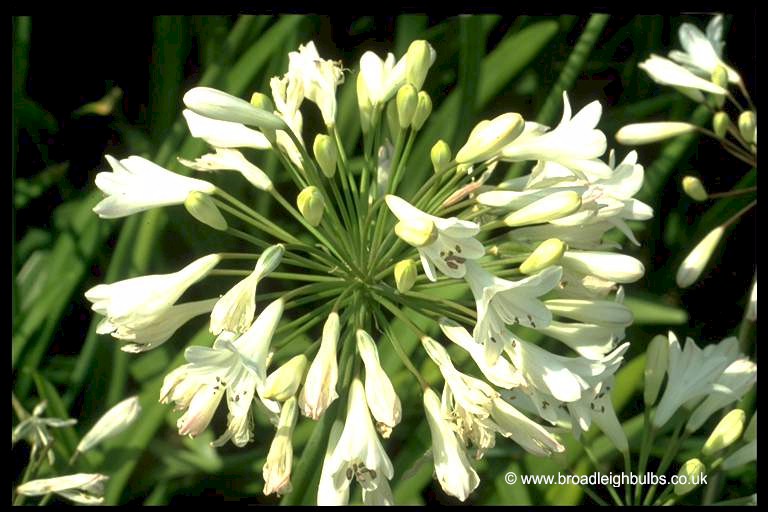 White Agapanthus
 White Agapanthus
 White Agapanthus
 White Agapanthus
 White Agapanthus
 White Agapanthus
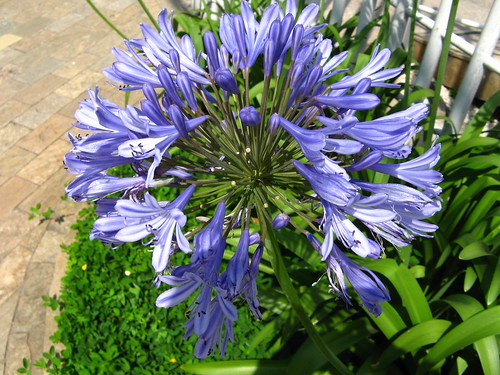 Agapanthus Africanus
 Agapanthus Africanus
 Agapanthus Africanus
 Agapanthus Africanus
 Agapanthus Africanus
 Agapanthus Africanus
 Agapanthus
 Agapanthus
 Agapanthus
 Agapanthus
 Agapanthus
 Agapanthus
 Agapanthus
 Acacia Australia
 Acacia Australia
 Acacia Australia
 Acacia Australia
 Acacia Australia
 Acacia Australia
 Acacia Australia
 Acacia Flower
 Acacia Flower
 Acacia Flower
 Acacia Flower
 Acacia Flower
 Acacia Flower
 Acacia Flower
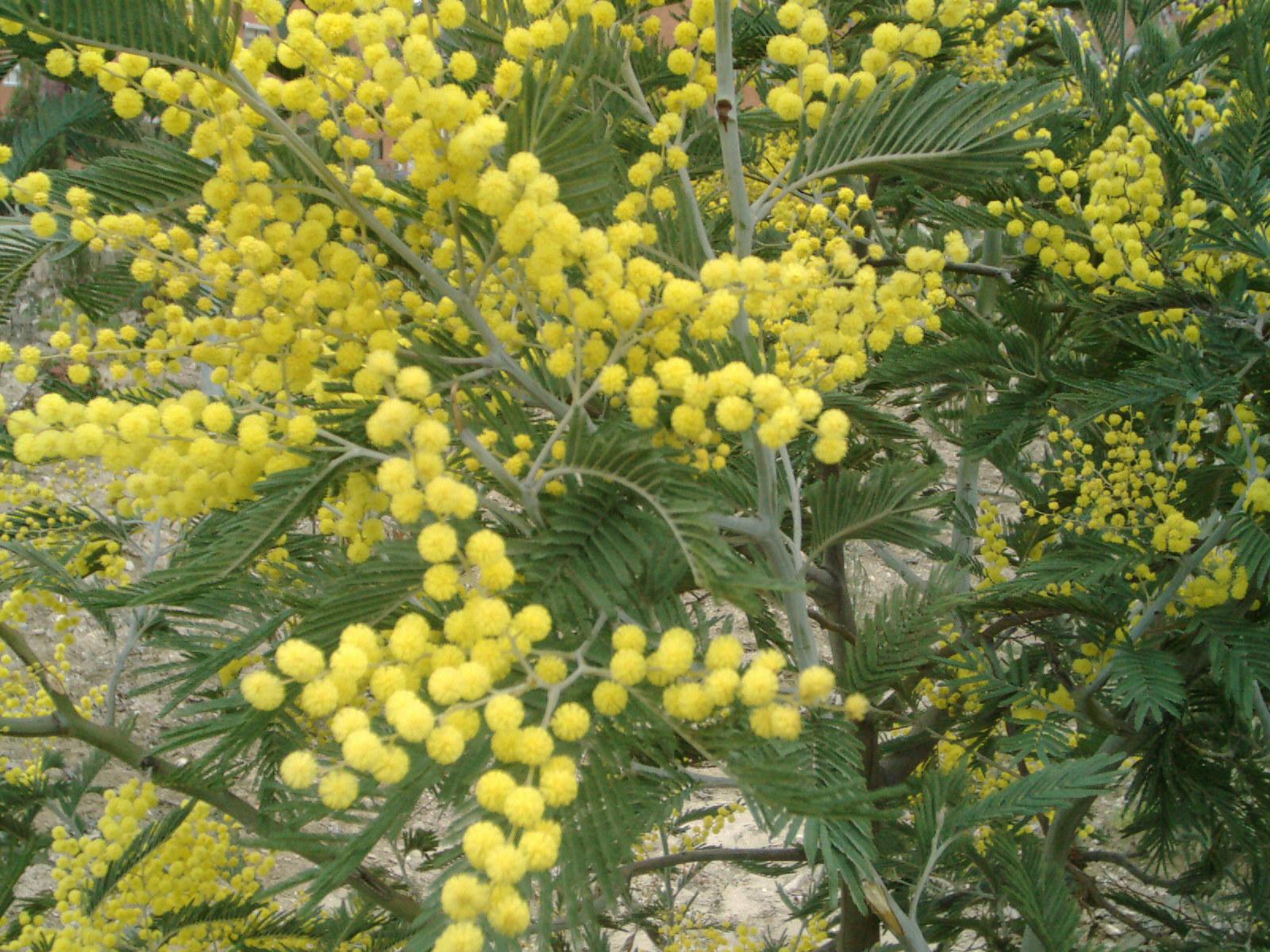 Acacia
 Acacia
 Acacia
 Acacia
 Acacia
 Acacia
 Acacia